Hi, I'm Katie โ a design leader and UX architect based in San Francisco. I like solving large-scale problems that require a mix of product strategy, dot-connecting, team-building, system-thinking and storytelling. Two of my favorite non-work things are theater and architecture, which turn out to be big influences on how I approach design and leadership. Interested to learn more? Let's talk.
Don't have the password? Reach out ๐ฎ
Here's a mix of projects that showcase UX thinking, creative strategy and operational design:
And here is a non-UX project, just for fun:
I started my UX career building digital fundraising campaigns for nonprofits like the Humane Society, Planned Parenthood, and Mozilla.
That work led me to Meta, where I joined as a Content Designer on their Fundraising product, helping scale it from an early feature into a platform used by millions. A few years and teams later, I became the first IC Content Design Director for the Facebook app, pioneering their UX Architecture team which brought systemic cohesion to the core experience amid the introduction of Stories, Reels, etc.
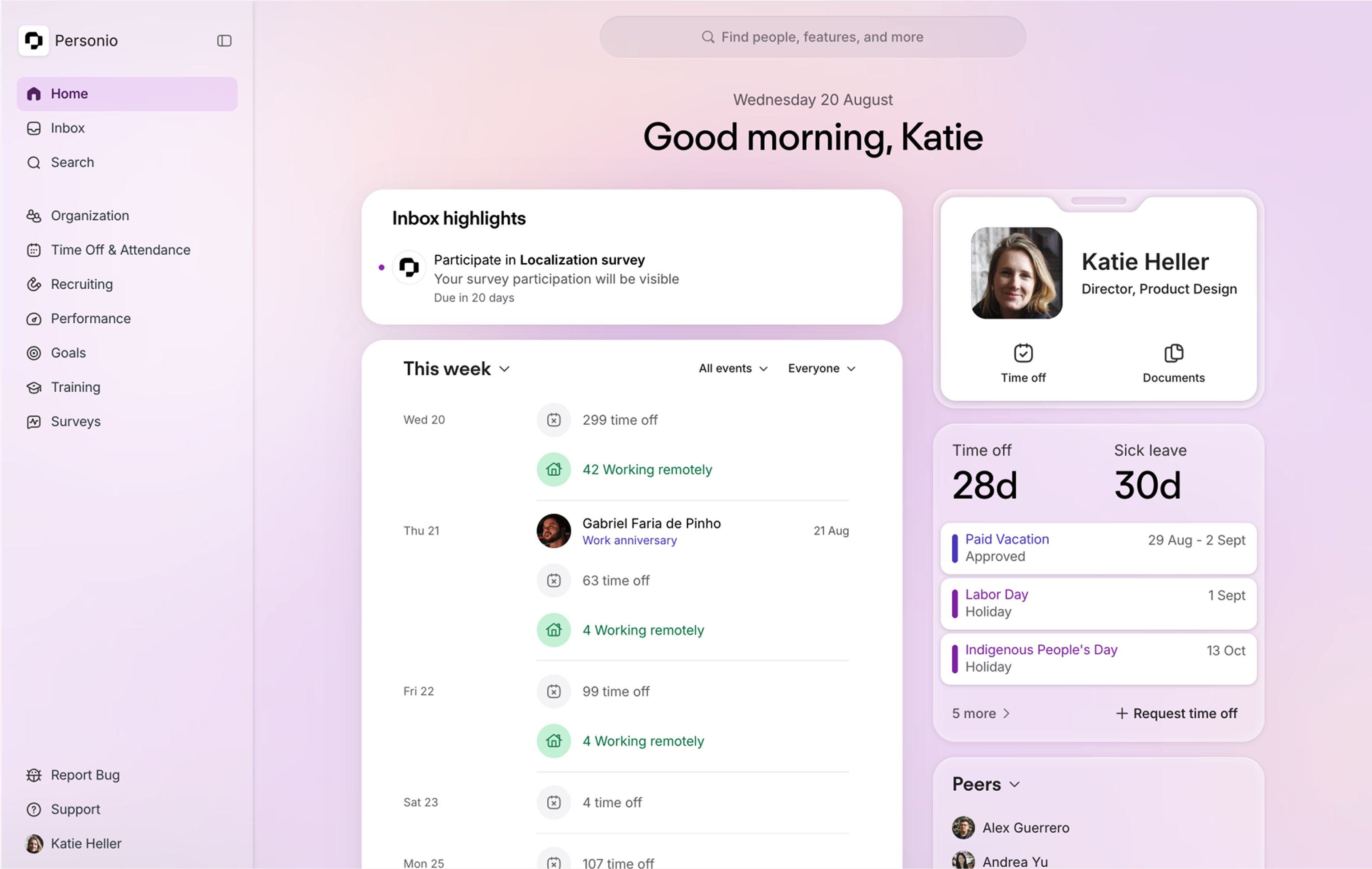
I'm now at Personio, a German HR software company, where I came in as a UX Architect tasked with overhauling the product's entire information architecture, along with key product areas. Today, I oversee our Design org of 45+ Product Designers and actively lead the Design Infrastructure team โ designers and design engineers working to bring consistency and cohesion to the product at scale, while enabling the design discipline to become full-stack AI creators.
Started as strategic IC lead on Personio's Architecture team, helping overhaul and rebrand the core product. Now co-heading Design overall and leading the Design Infrastructure team โ designers and design engineers developing the libraries, tools, and systems that ensure a high-quality, consistent experience for customers, as well as a powerful infrastructure for AI-fluent designers.
Joined as a Content Designer on the Social Good team, growing and refining Facebook Fundraisers, then moved across Community Integrity and Visual Systems. Eventually became (IC) Design Lead and UX Architect, defining and executing high-level strategies that innovated and simplified Facebook's core experiences.
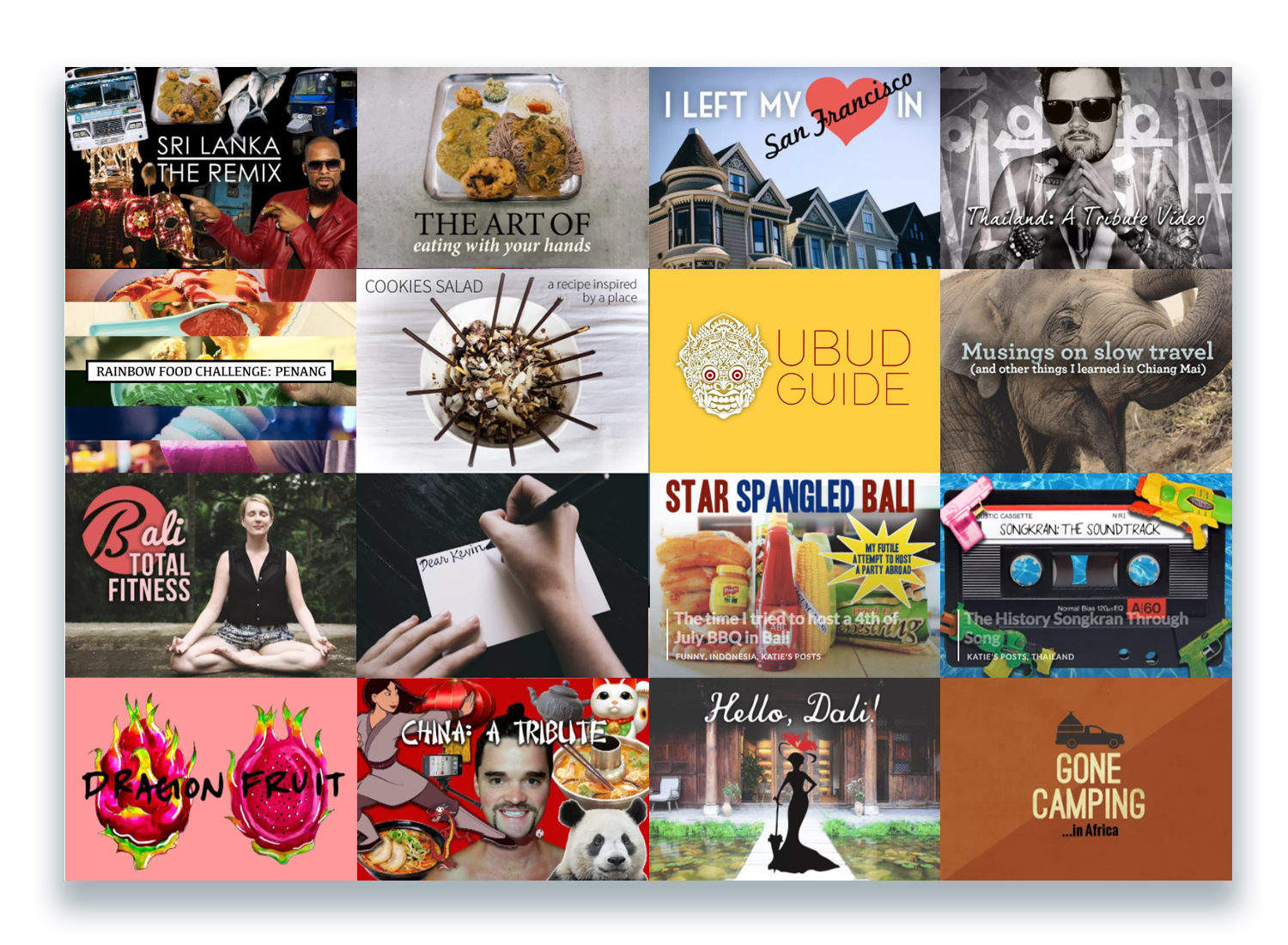
Travel Sabbatical ยท Took a year to travel and write, designing and authoring an award-winning blog along the way.
M+R is a consulting firm creating full-scale digital campaigns for nonprofits like Planned Parenthood, The Smithsonian, UNHCR, and Mozilla. I worked as a day-to-day client manager and led the creative team behind strategy across the firm โ including its annual Benchmarks study, the most trusted source of nonprofit metrics in the industry.
The Trailhead is a children's museum in the small town of Crested Butte, Colorado. As a first employee of the museum, I helped design and build the space (including all the exhibits), develop an online presence, establish fundraising and marketing techniques, and create a diverse array of community programming.
Education ยท NYU Gallatin; BFA Visual Design & Communication
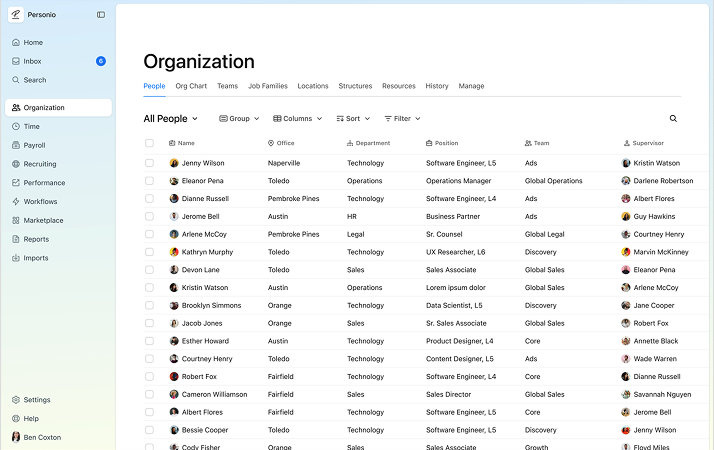
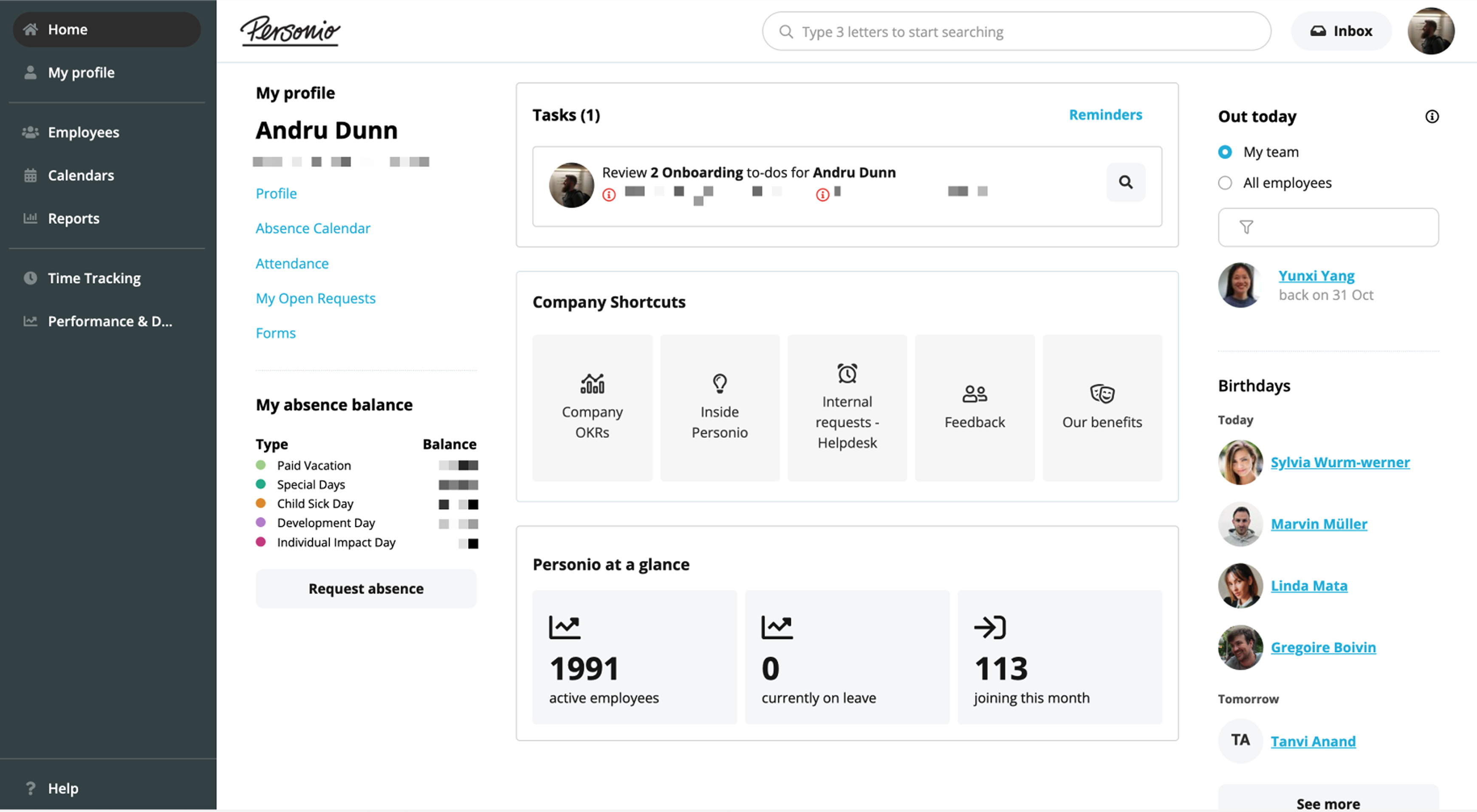
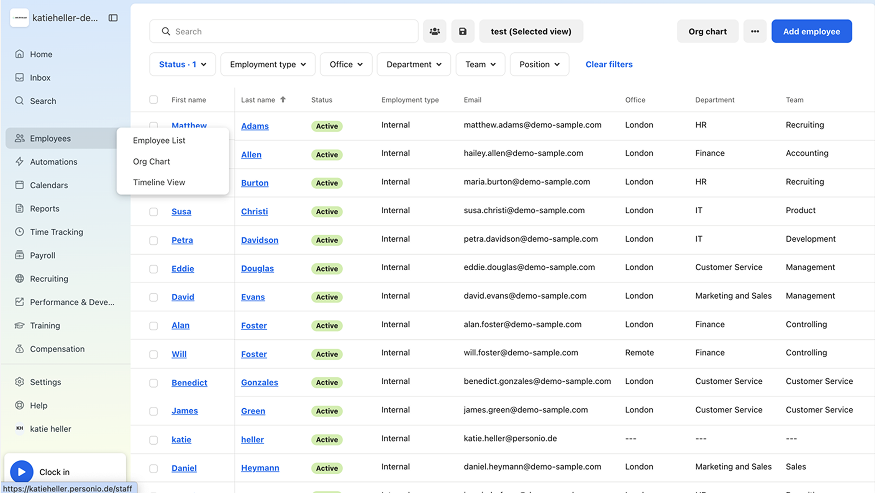
Personio had grown quickly โ from a small HR startup to a platform serving tens of thousands of companies and millions of employees across Europe. But the product's feature-set and architecture had grown with it in an un-strategic, inconsistent way: features were shipped without end-to-end consideration; navigation was unpredictable; entire product experiences were stuffed in places that didn't make sense.
New users struggled to make sense of it, and older customers had developed workarounds that made fixing it nearly impossible. As a result, sales were slowing and UI/UX was a common loss reason. NPS scores were simultaneously plummeting, with UX cited as a top detractor.
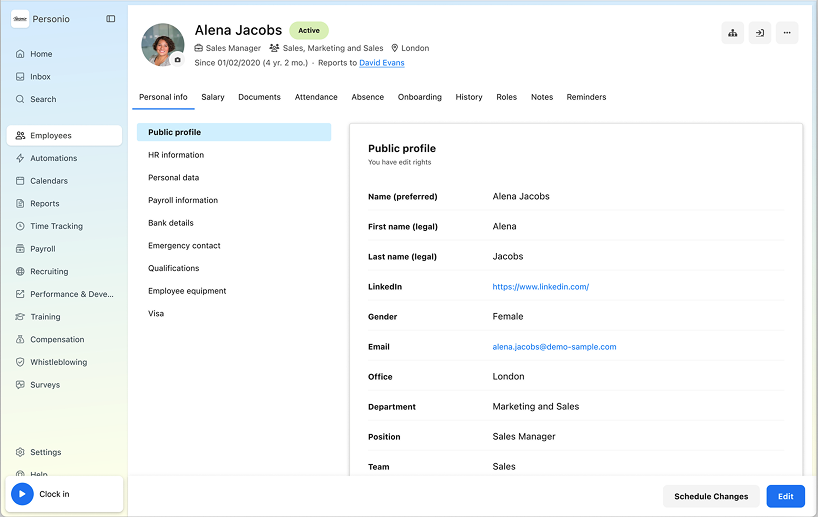
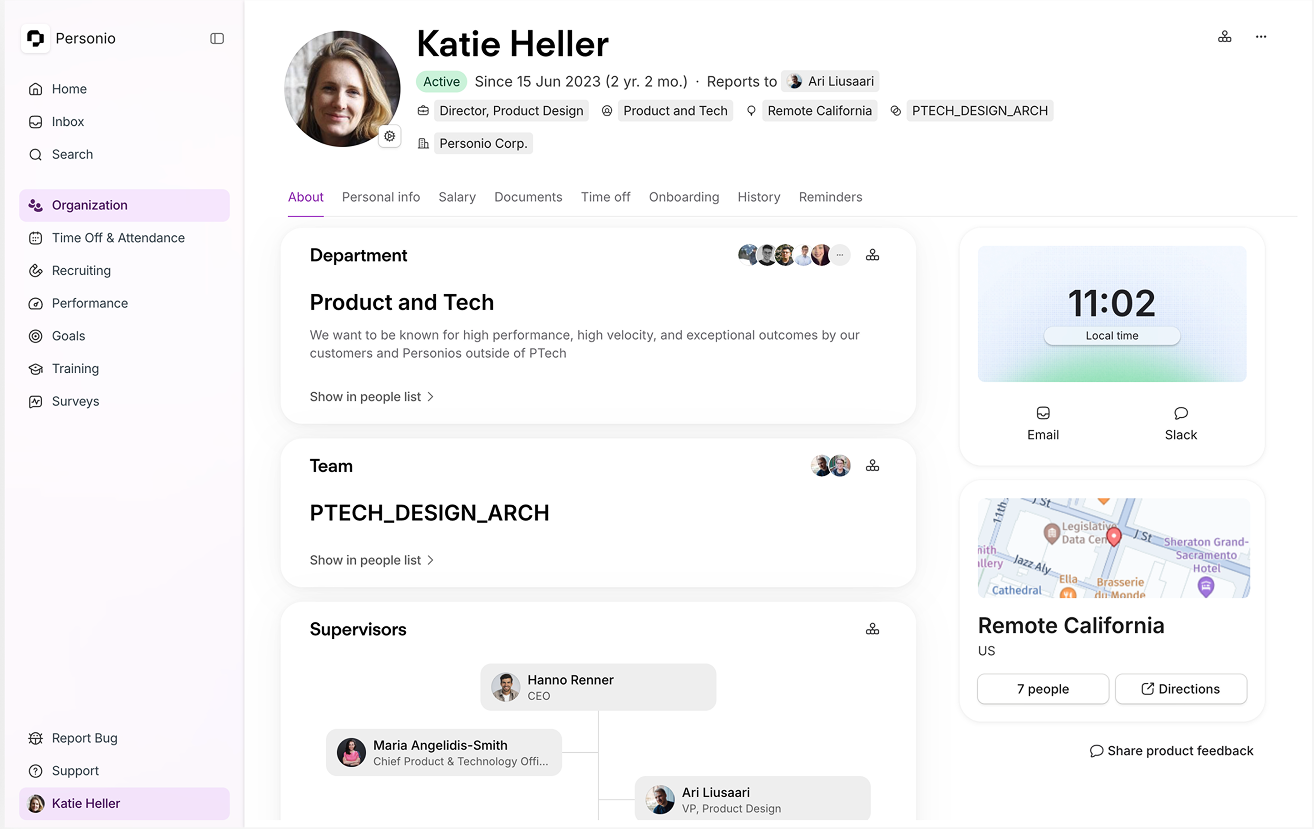
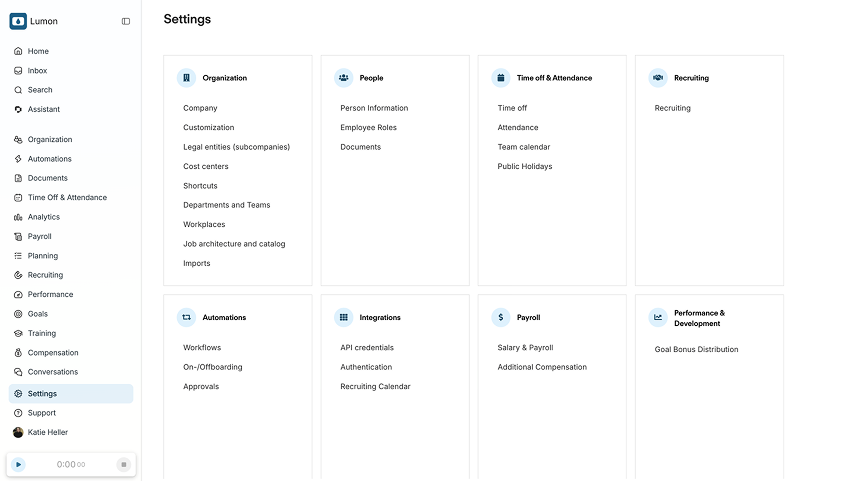
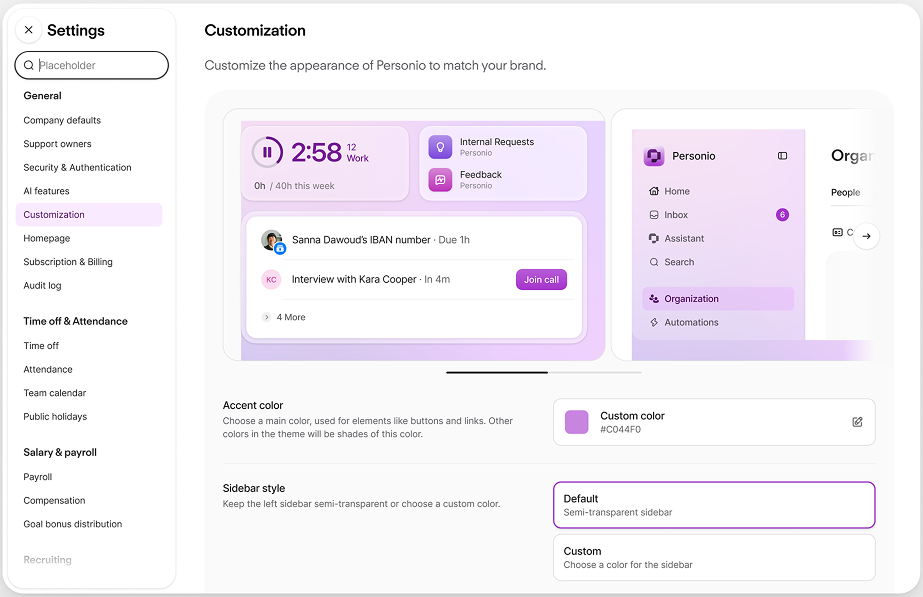
Undertaking this 'overhaul' was a large, 12+ month effort pulled off by many people and teams (and is still happening across some areas). It included updating and expanding the entire design system, writing all new standards and principles for how to approach the UI/UX, and redesigning key surfaces and flows to bring clarity and cohesion to essential user journeys like tracking time, changing employee information, and updating core settings.
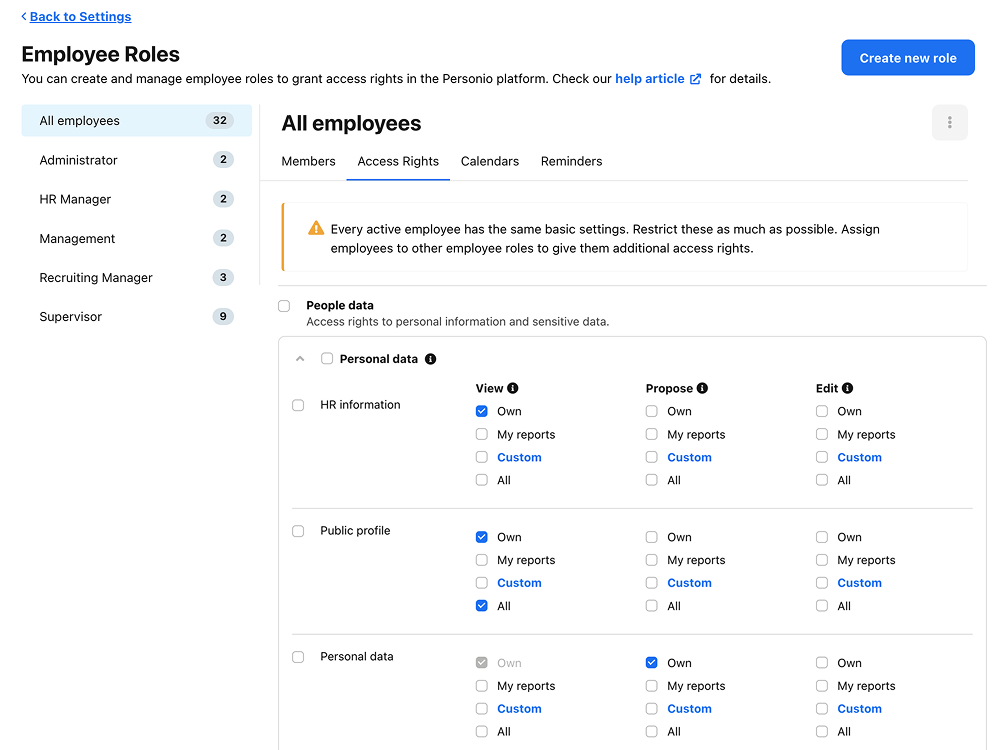
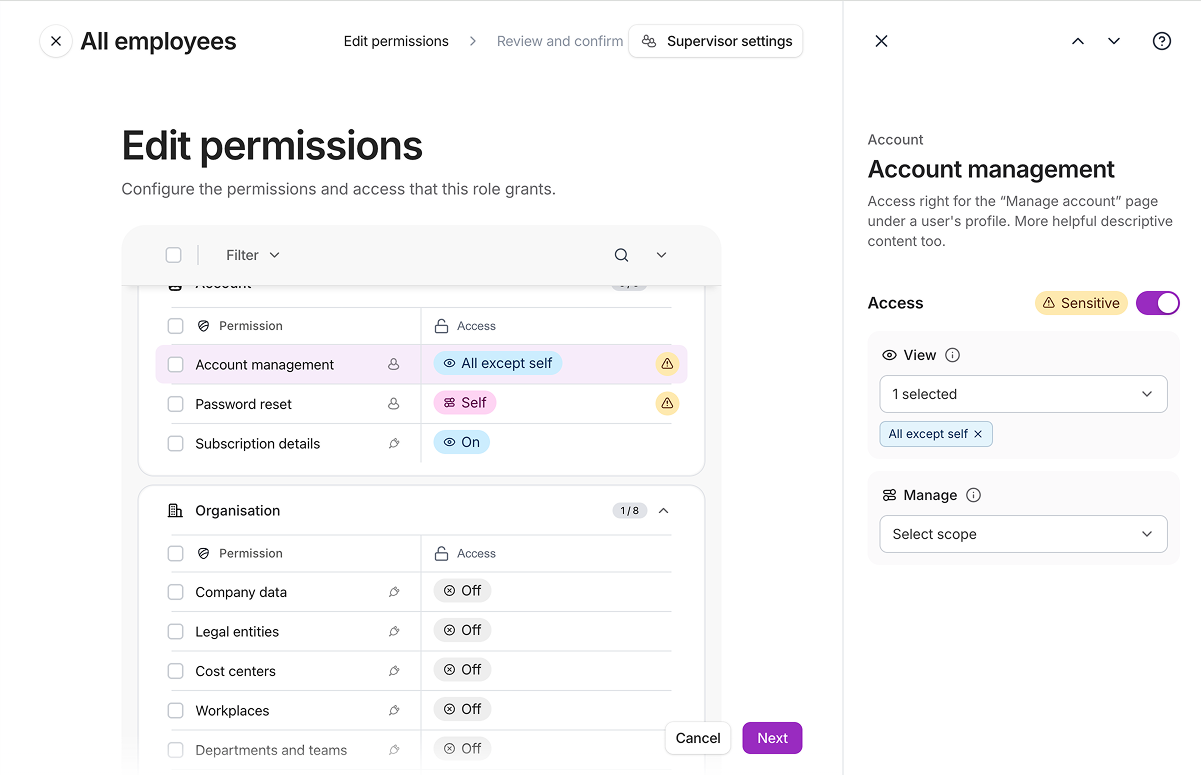
My role was to define a cohesive structure and IA for all product areas, as well as lead the redesign of some of the most-used features โ employee profile, access rights, and settings โ so that HR administrators could work more quickly and more intuitively.


Key surfaces saw major increases in CSAT โ homepage alone improved by +18pp.
Competitive win rate increased from 30% to 38%, and UI/UX is no longer cited as a loss reason.
Half of NPS promoters now cite UI/UX as their primary reason โ a complete reversal from its role as a key detractor.
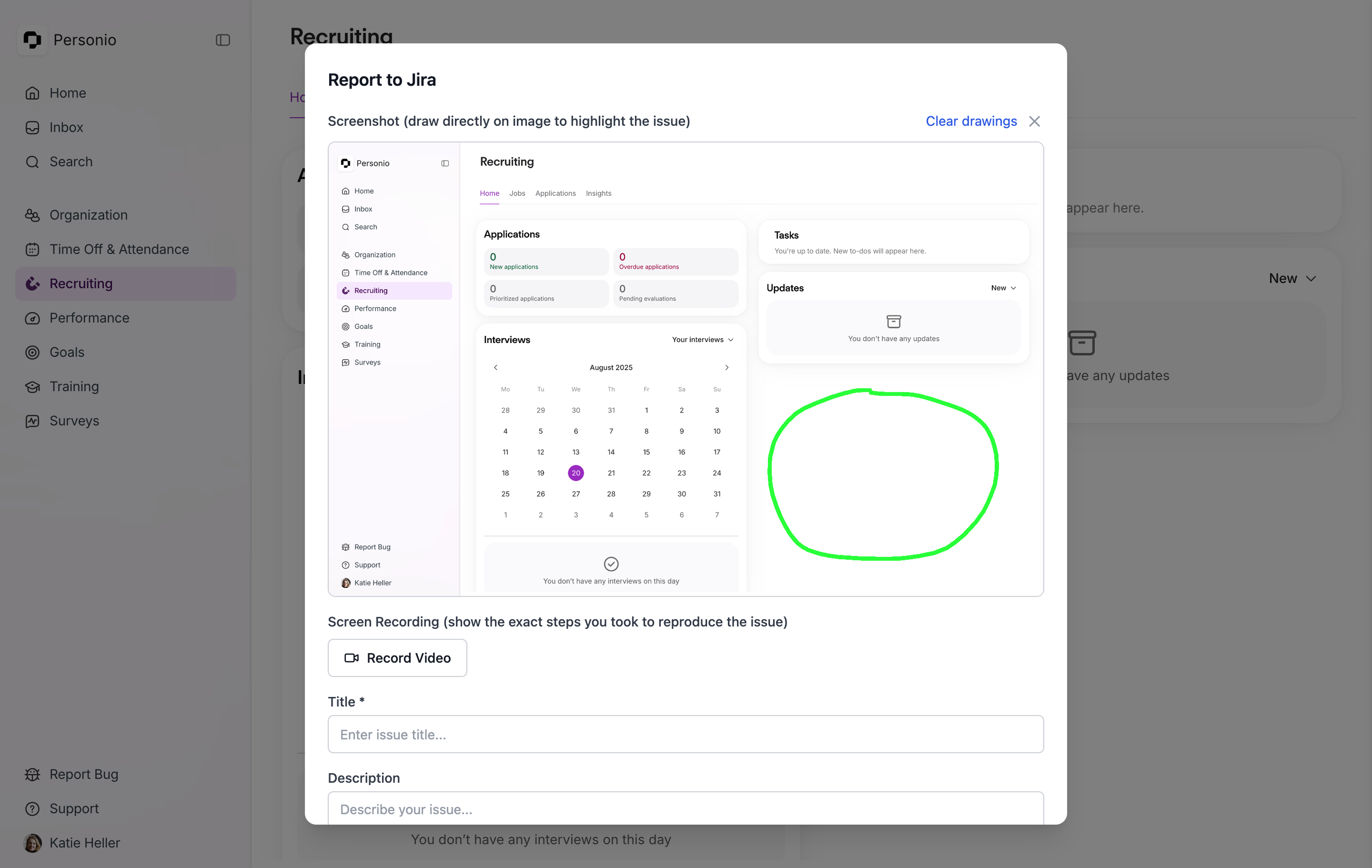
Even after extensive product updates, UX/Usability continued to be a consistent theme for NPS detraction for Personio, so we needed a way to make consistent progress on both the big and small usability issues. But this also required a culture shift for the entire company โ UX quality simply wasn't a priority, and there was no streamlined way for employees to dogfood and report their own everyday issues outside of major release moments.
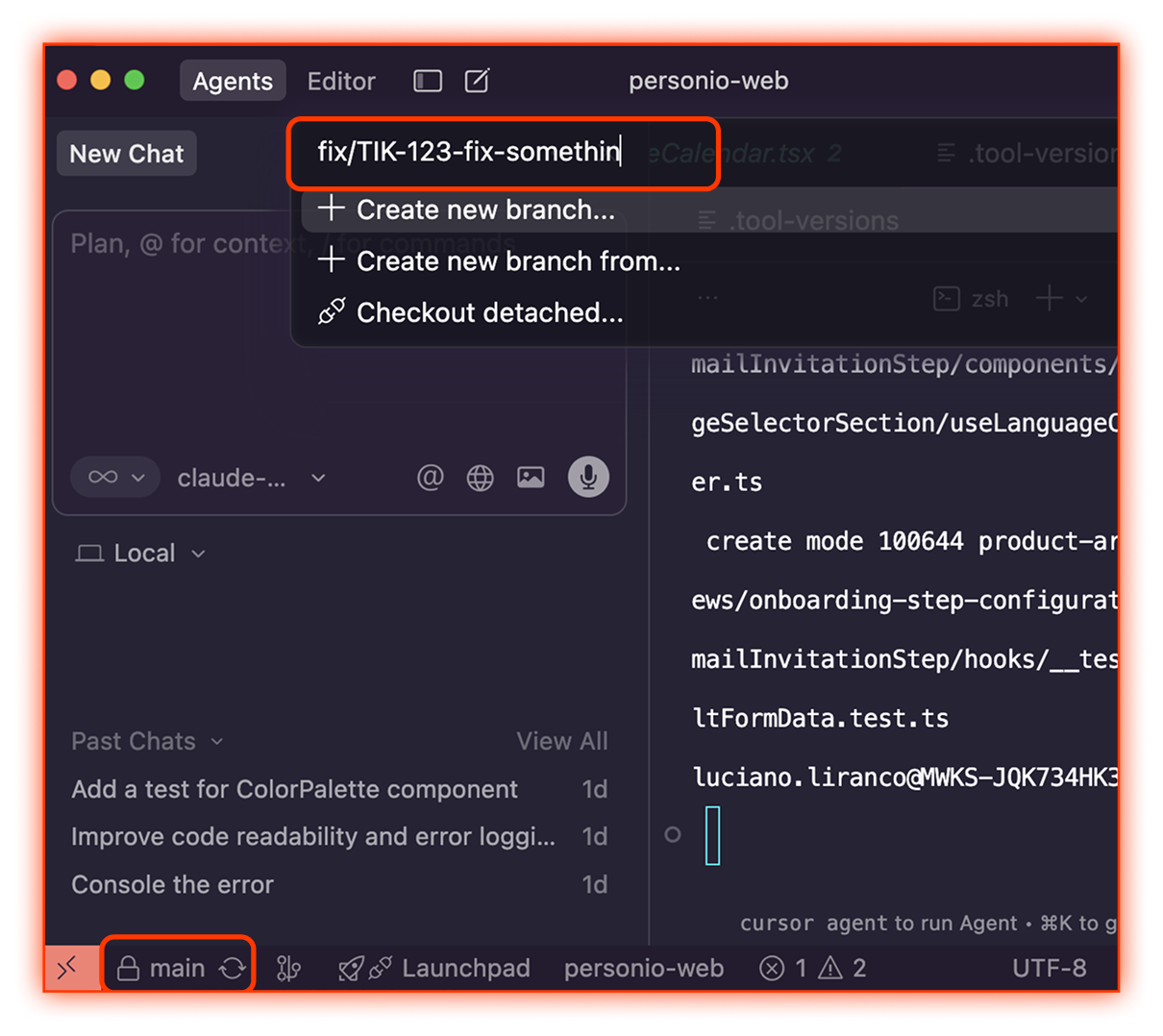
A fellow engineer and I built (largely in Cursor) an intuitive dogfooding process that allowed employees to pinpoint issues and submit them to teams directly through existing Jira processes in just two clicks. The backend context captured via a Chrome extension, combined with MCPs and custom cheat-codes made it possible for non-technical builders to go from triaging in Jira to submit PRs of redesigns in minutes.
We trained our entire design team on git practices, and then held a month-long Fixathon that resulted in over 250 fixes, coded mostly by designers using Cursor. Almost half the team has now landed code in production, and experiments in our live product repository alongside their engineers.


250+ UX fixes and design debt corrected in a single month-long sprint.
50% of designers shipping code โ a fundamental shift in how the design team operates.
A growing culture of streamlined dogfooding and employee-wide accountability for product quality.
Facebook was losing relevance with younger audiences. As marketing worked hard to build resonant campaigns, the app itself felt stale from a UX content perspective โ especially in moments when we had permission from users to flex.
My efforts to bring more personality to Facebook spread across three projects.
A new Voice for Facebook. I led the direction, strategy and execution behind Facebook's first ever "voice" to be more friendly and optimistic, executing a tonal shift across a team of 150+ Content Designers. Instagram, Whatsapp and Oculus all followed suit, defining their content strategy across the Meta portfolio.
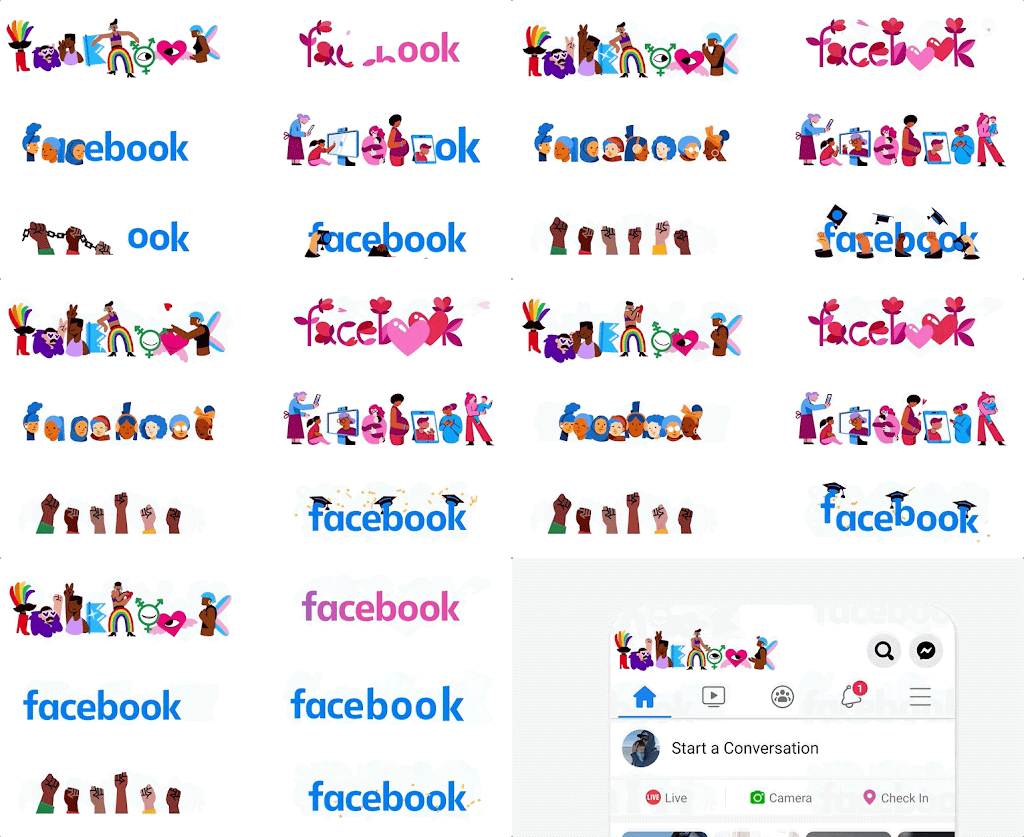
Reinventing the Facebook wordmark. I led content and supported the creative strategy for the Facebook Wordmark project (no longer running), which transformed the Facebook wordmark into artistic animations for holidays and cultural moments (similar concept to the Google Doodle). This required comprehensive research, deep consideration of cultural nuance and holistic oversight over very complex and high-stakes launches.
Introducing the Care Reaction. I supported the creative design, naming and launch strategy for the popular Care reaction.

Stat-sig improvements in key areas where the new Facebook tone was A/B tested.
Successful launch of 20+ wordmarks across holidays and cultural moments.
A positive PR moment for Facebook following the Care reaction launch.
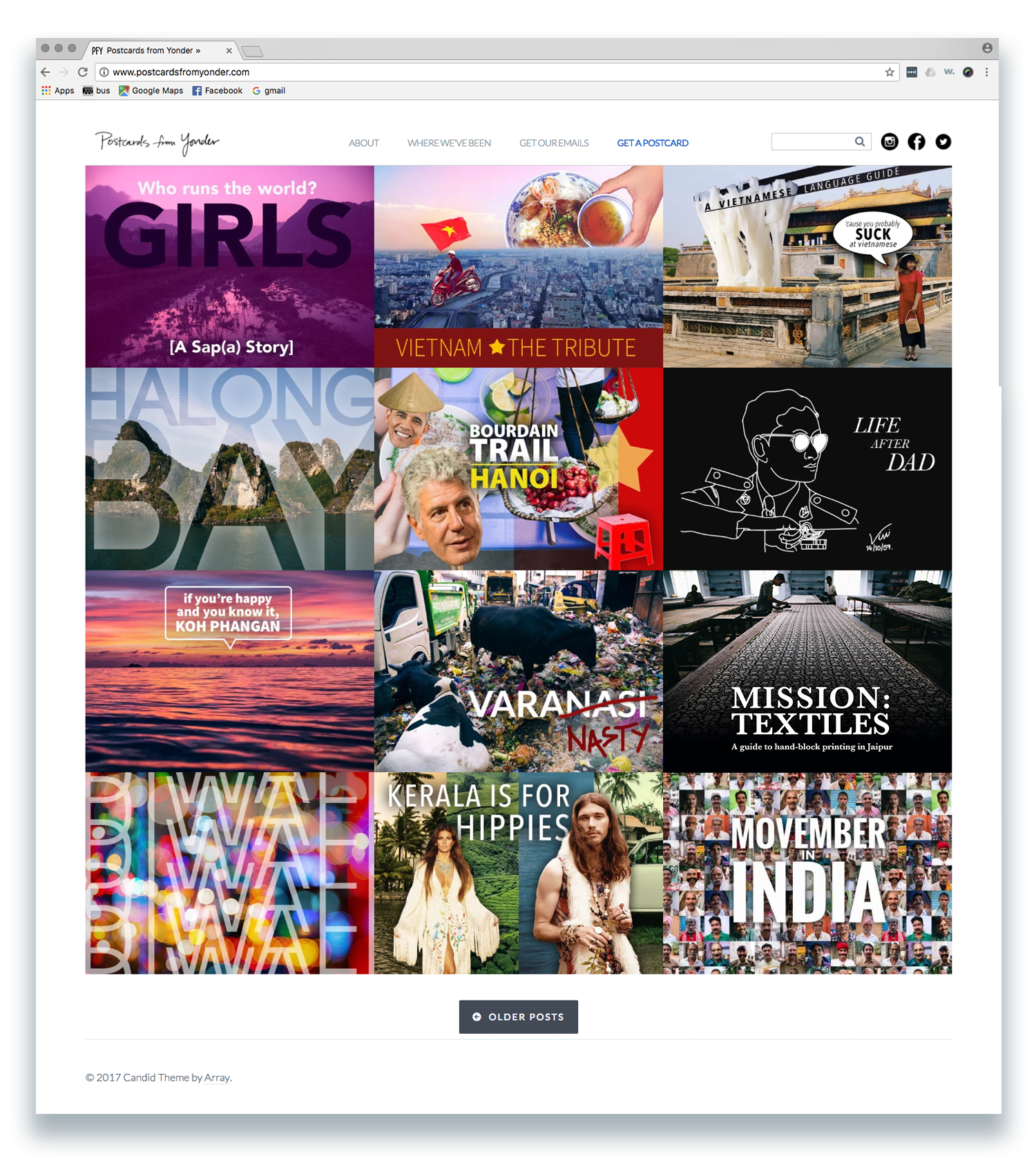
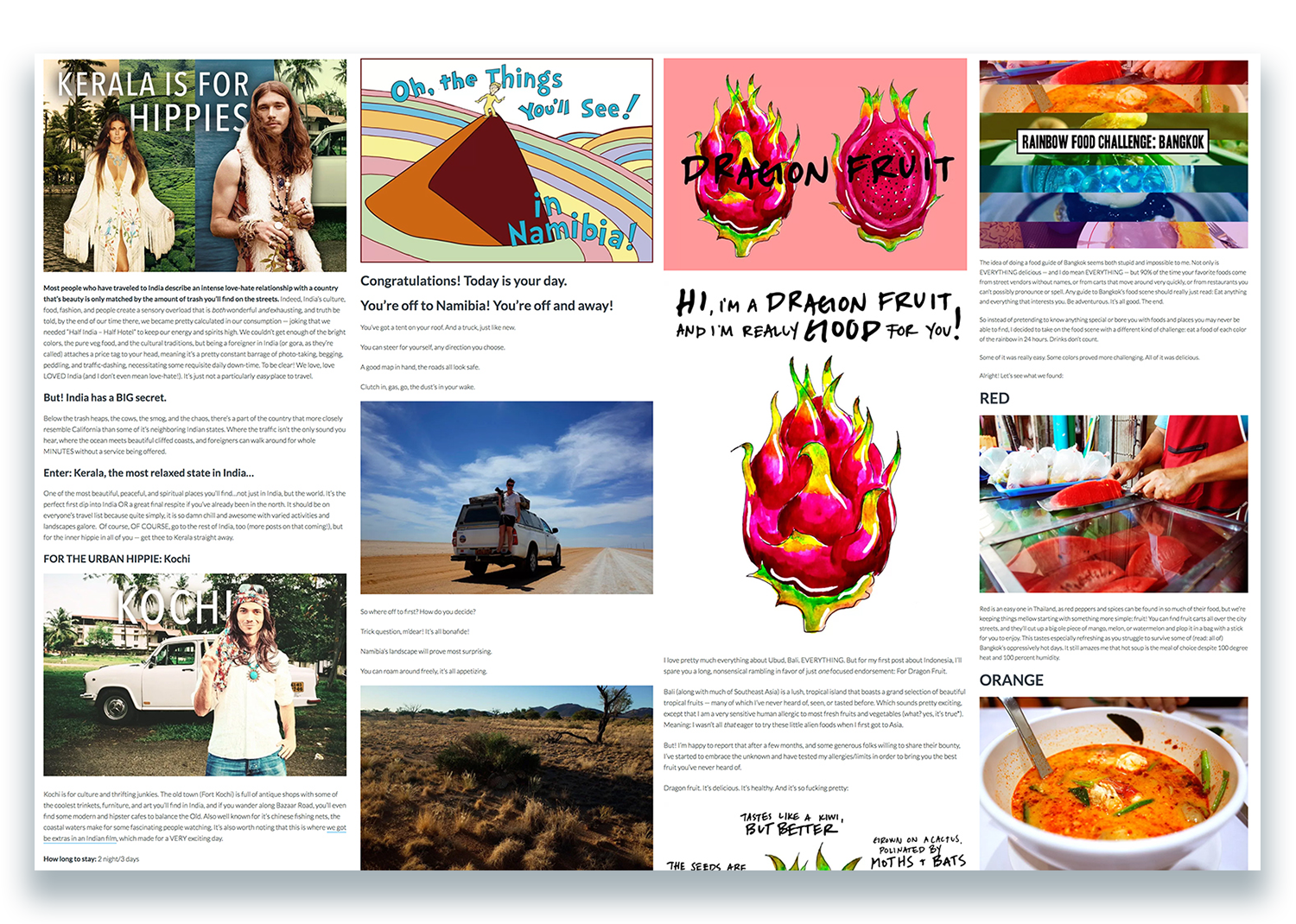
In 2016, my husband and I took a sabbatical to travel, and knew we wanted to capture our time through creative storytelling and artistic expression. This was before the influencer culture of Instagram and TikTok, so we started a good old fashioned blog that we used as a canvas to explore the places we visited in a wide range of creative formats. We used video, illustration, long-format writing, photography, graphic design, and other forms of artistic expression to catalog our time into what we liked to refer to as a "creative variety show."
Check out the revived and slightly revised version of the blog (the original domain was sadly lost).


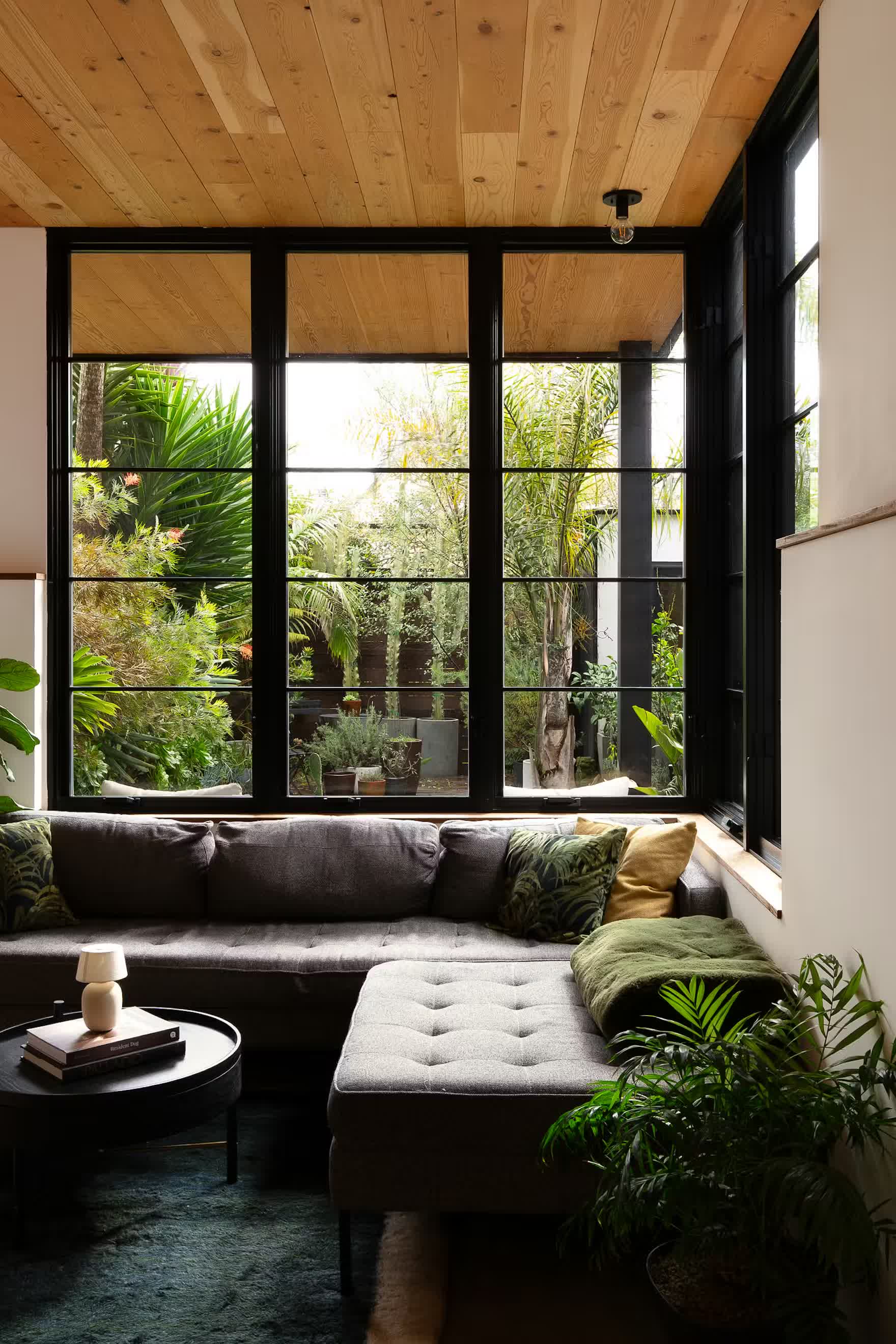
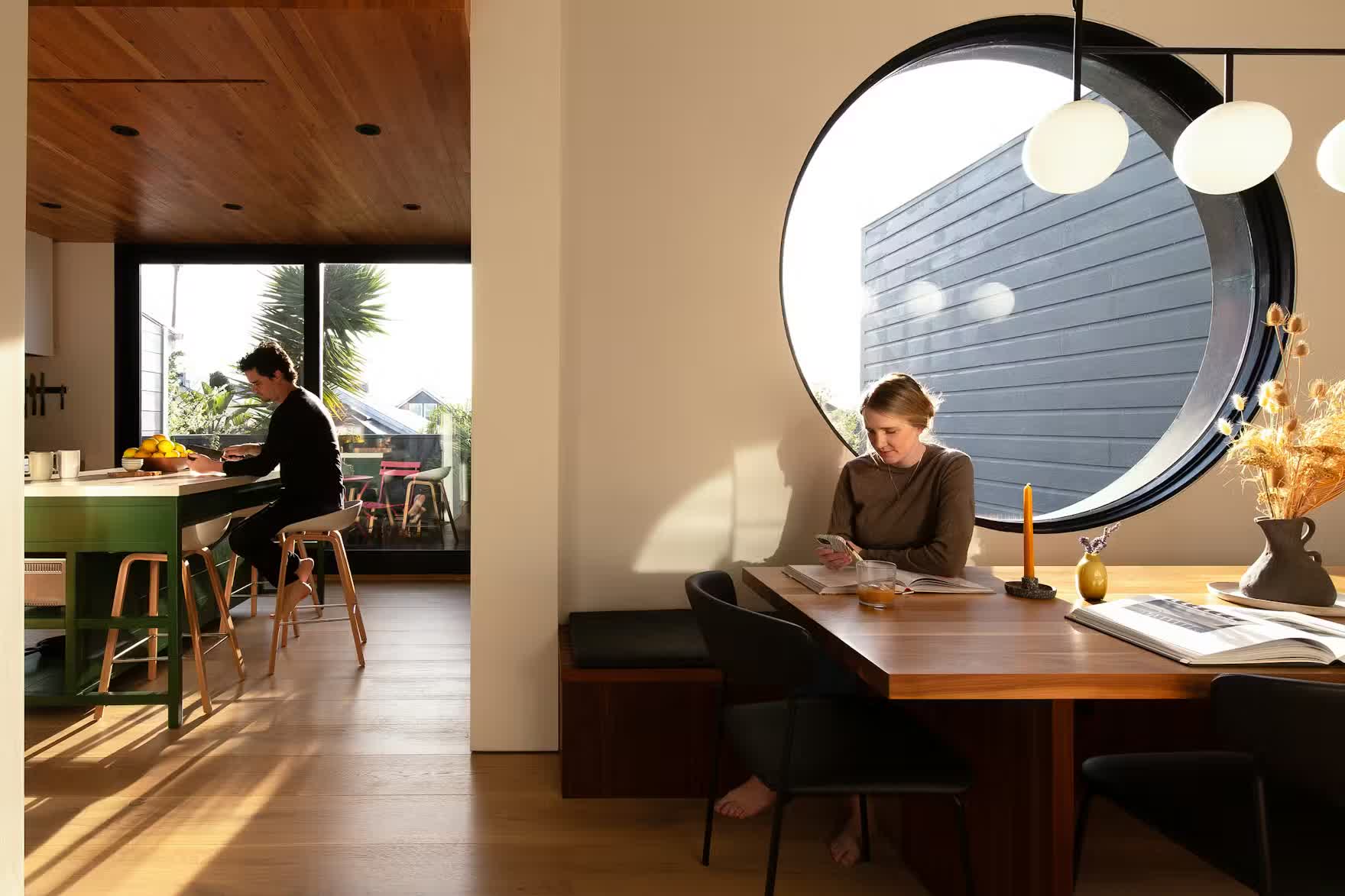
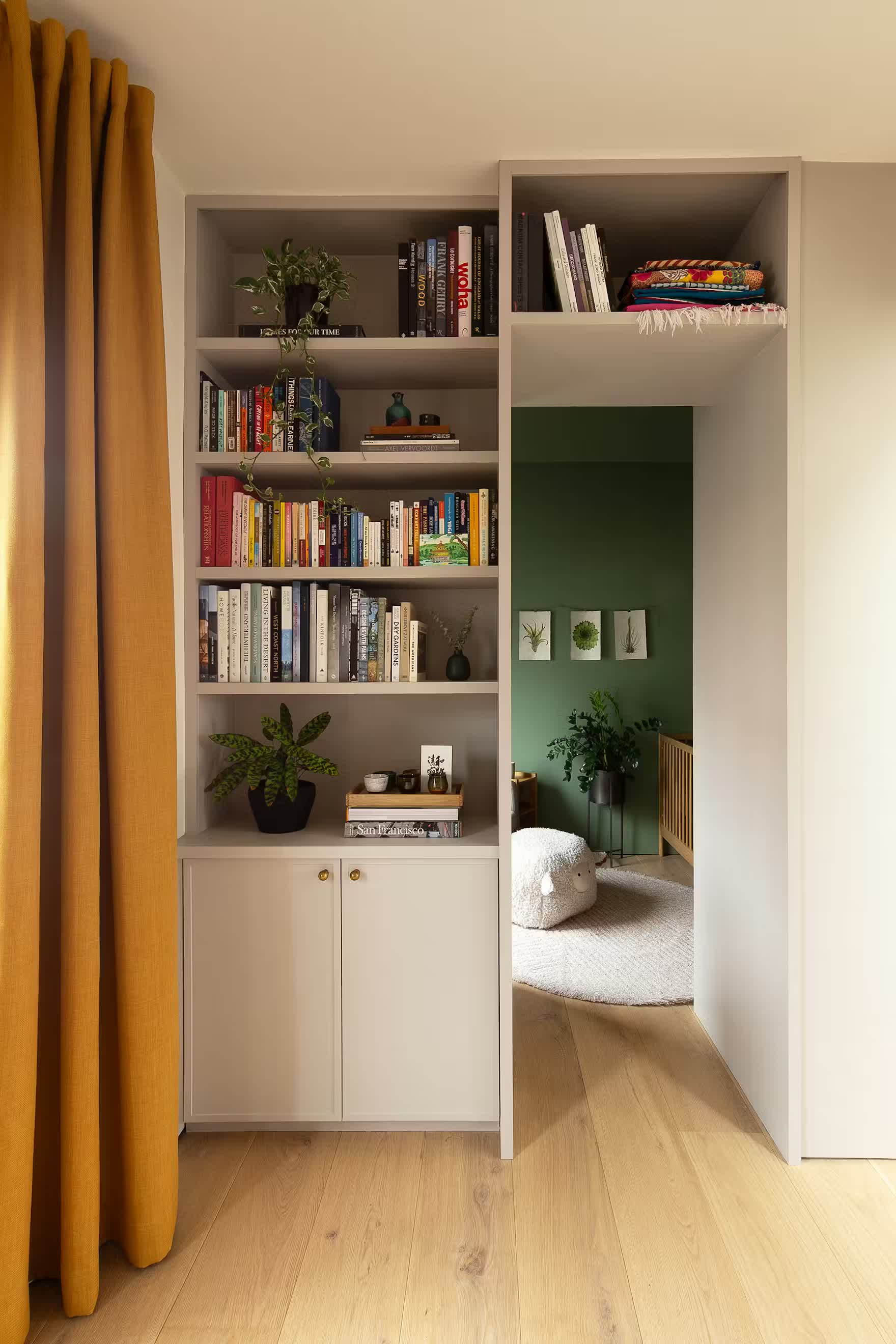
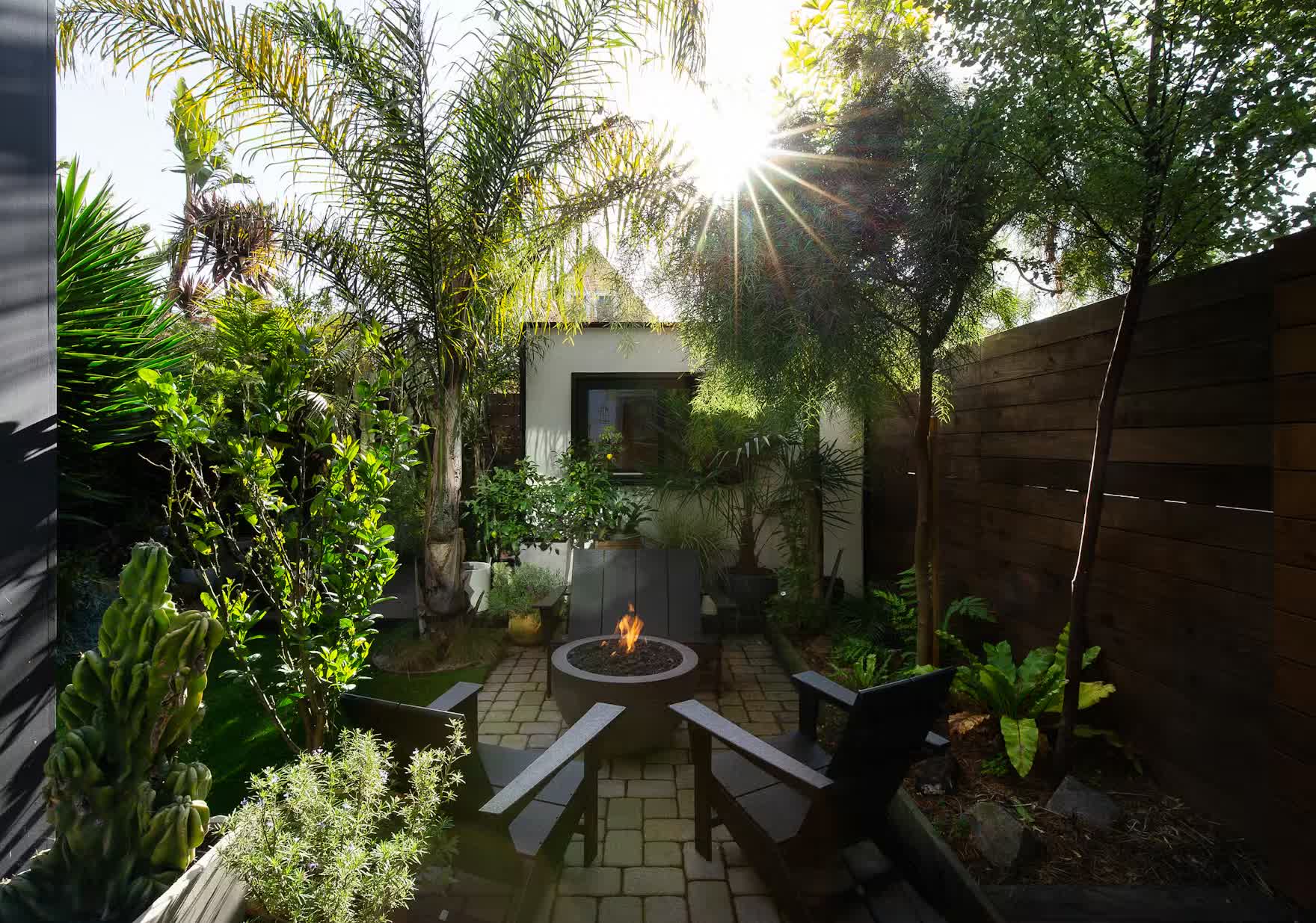
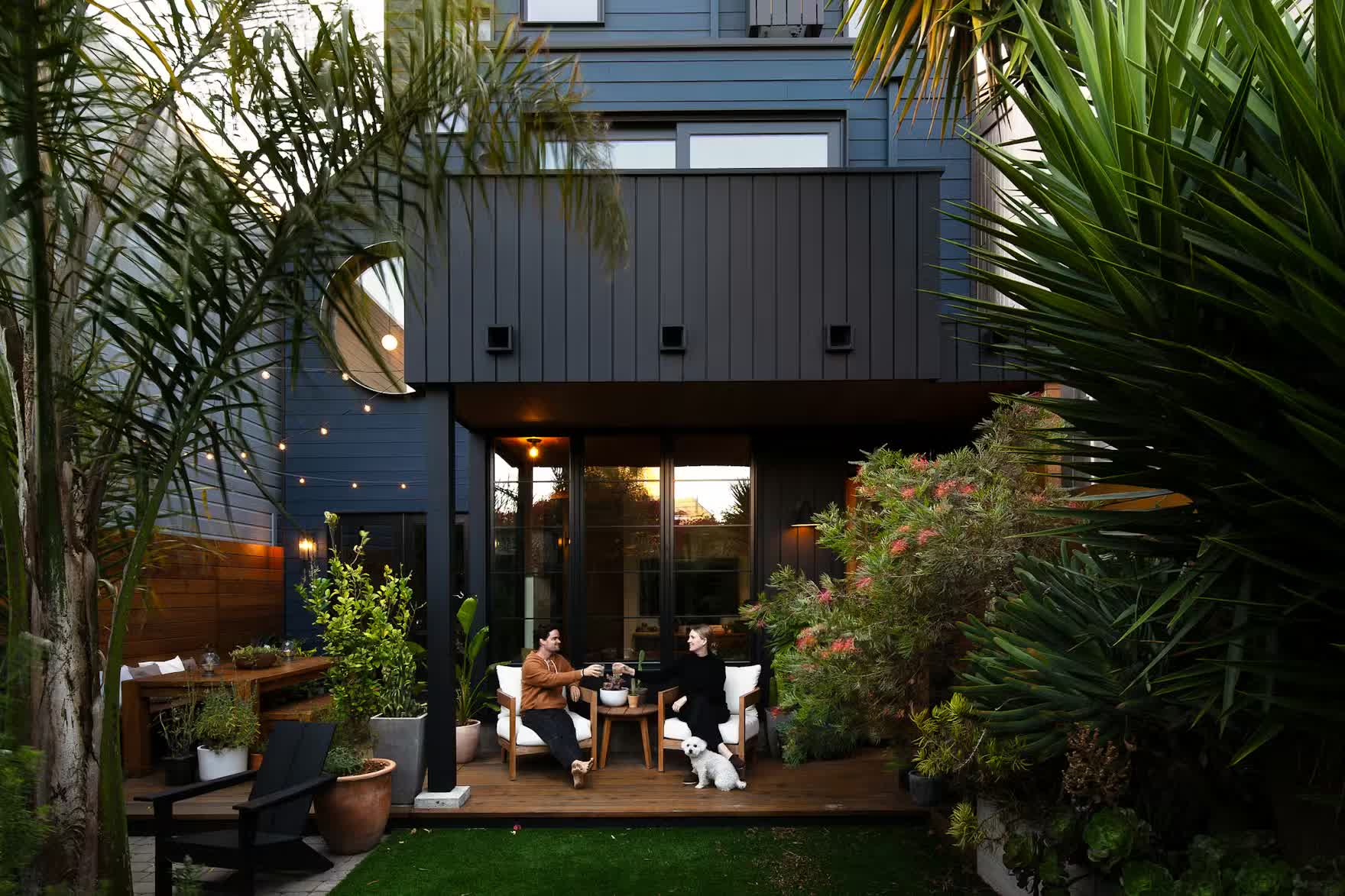
Throughout the pandemic, my husband (an actual architect) and I underwent an entire house remodel, redesigning and building our future home from the studs. We hired professionals for foundational work, but built much of the interiors ourselves.
Like UX design, thinking about every space, every threshold, every interaction in a user-focused, end-to-end capacity was natural, fun and rewarding. As a result, every inch of the house has purpose and intention, with details that make it a joy to use and exist in everyday.